https://pmc.ncbi.nlm.nih.gov/articles/PMC6558967
Published in final edited form as: Clin Gastroenterol Hepatol. 2018 Apr 21;16(8):1189–1196. doi: 10.1016/j.cgh.2018.04.023
Elizabeth K Speliotes *, Maya Balakrishnan ‡, Lawrence S Friedman §, Kathleen E Corey
Dyslipidemia is common in the general population and increases the risk of cardiovascular disease. Treatment of dyslipidemia is effective in decreasing morbidity from cardiovascular disease. Because the liver is the primary source of cholesterol and other lipids in the body, medications for dyslipidemia, such as statins, target genes in the liver. Furthermore, the liver plays a role in the metabolism of many drugs, including those that are used to treat dyslipidemia. It is not surprising, therefore, that many practitioners are hesitant to prescribe medicines to treat dyslipidemia in the setting of liver disease. This update is aimed at summarizing current understanding of the safety of treating patients who have various liver diseases and dyslipidemia with lipid-lowering drugs (Table 1).
Table 1.
Best Practice Advice: Treatment of Dyslipidemia in Liver Disease
| DILI |
| BPA #1 Statins often (3%) cause benign elevations in serum ALT or AST levels and should not be considered contraindicated in patients with liver disease. |
| BPA #2 Liver biochemical tests are recommended before starting a statin but do not need to be checked routinely while statins are taken unless clinically significant side effects develop. |
| BPA #3 Increases in serum ALT or AST levels to >3 times ULN with evidence of cholestasis (bilirubin >2 times ULN) (in the absence of biliary obstruction) after statins are started generally require that the statin be stopped. A work-up for DILI should include testing for the presence of other underlying causes of liver disease or other medications that may have precipitated the reaction besides or in addition to the statin. |
| BPA #4 If DILI or ALF occurs in a patient taking a statin, other statins should be avoided in that patient. |
| BPA #5 DILI and ALF caused by statins are rare (1 in 100,000 and 1 in 1,000,000, respectively), so fear of developing these effects should not be used to justify avoidance of statins when an individual may benefit from them. |
| BPA #6 Statins are contraindicated in patients with ALF because of the patients’ poor prognosis. |
| BPA #7 Other lipid-lowering medications, such as niacin, ezetimibe, or fibrates, may cause DILI, but such instances are exceedingly rare and should not prevent starting these medications in a patient who may benefit from them. |
| NAFLD |
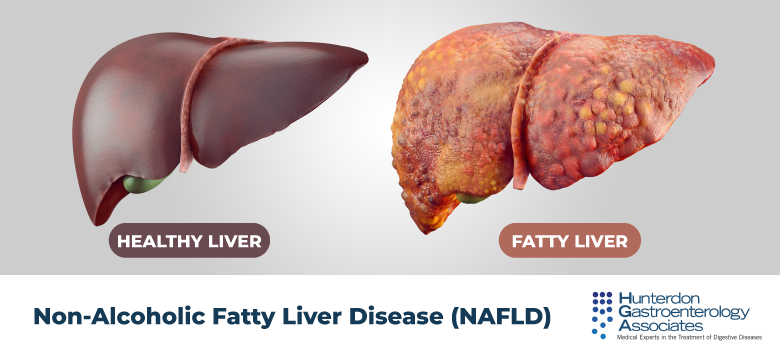
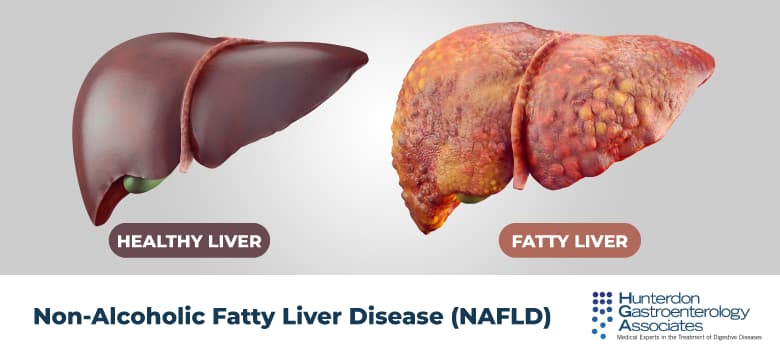
| BPA #8 Although NAFLD and NASH are not considered traditional risk factors for cardiovascular disease, they are associated with dyslipidemia. The 2013 ACC/AHA guidelines should be used to assess cardiovascular risk in patients with NAFLD and to guide the need for lipid-lowering pharmacotherapy. |
| BPA #9 Statins, ezetimibe, omega-3 fatty acids, and fibrates are safe and well tolerated in the setting of NAFLD and NASH. |
| BPA #10 A statin is first-line treatment of elevated serum LDL levels in patients with NAFLD who are deemed to be at increased risk for adverse cardiovascular disease outcomes. Statin therapy is associated with reductions in serum LDL levels and cardiovascular disease prevention in patients with NAFLD. |
| BPA #11 Ezetimibe may also be used for treatment of elevated LDL levels, either as primary therapy in patients who are statin intolerant or in addition to a statin when the statin is insufficient to reduce LDL levels. Ezetimibe is associated with reductions in LDL levels, but its efficacy for cardiovascular disease prevention is unknown. |
| BPA #12 Omega-3 fatty acids and fibrates are indicated for the treatment of isolated hypertriglyceridemia. |
| BPA #13 There is no conclusive evidence that treatment of dyslipidemia with any agent (statin, fibrate, fish oil) improves the histology of NASH or liver-related outcomes. |
| Viral Hepatitis |
| BPA #14 Despite causing a reduction in serum lipid levels, chronic HCV infection is associated with an increased risk of acute myocardial infarction. Serum LDL and total cholesterol levels rebound after spontaneous and treatment-induced viral clearance. Therefore, lipid levels should be monitored after HCV clearance to determine if a patient has a new indication for treatment of dyslipidemia. |
| BPA #15 The impact of chronic HBV infection on serum lipid levels is not well described, but HBV infection may decrease serum triglyceride and HDL levels. |
| BPA#16 Management of patients with HBV or HCV infection and dyslipidemia should be guided by standard recommendations for the treatment of dyslipidemia. |
| BPA #17 Statins are safe to use in patients with either chronic HCV or HBV infection, but attention should be paid to potential interactions between statins and antiviral agents. |
| PBC |
| BPA #18 Dyslipidemia in the form of elevated serum cholesterol and triglyceride levels is common in PBC, does not increase the risk of cardiovascular disease, and does not need to be treated with lipid-lowering agents unless other concomitant cardiovascular risk factors are present. |
| BPA #19 Lipid-lowering agents, such as statins, are not contra-indicated in patients with PBC with compensated liver disease but should not be used in patients with decompensated disease. |
| BPA #20 Second-line treatments for PBC, such as fibrates and OCA, can affect lipid levels. Until more is known about the effect of OCA on cardiovascular disease, OCA in particular should be avoided in patients with PBC who have cardiovascular disease or risk factors for disease. OCA should be dosed weekly rather than daily in PBC patients with Child-Pugh class B or C cirrhosis. |
| BPA #21 There is no compelling evidence that statins can improve outcomes in patients with PBC; they should not be used as primary agents for treatment of this disease. |
| Cirrhosis |
| BPA #22 Statins can be safely used in patients with Child-Pugh class A cirrhosis for cardiovascular risk reduction if indicated. |
| BPA #23 Statins should be avoided in patients with Child-Pugh class B or C cirrhosis because of the patients’ poor prognosis, not because of increased hepatotoxicity. |
| Post-Transplant Dyslipidemia |
| BPA #24 Dyslipidemia is common following liver transplantation, affecting up to 62% of transplant recipients. Pretransplant obesity and diabetes mellitus increase the risk of post-transplant dyslipidemia. Post-transplant weight gain and immunosuppres-sant medications, including calcineurin inhibitors and the mTOR inhibitor sirolimus, also increase the risk of post-transplant dyslipidemia. |
| BPA #25 Lipid-lowering agents, specifically statins, are not associated with an increased risk of hepatotoxicity in the post-transplant population and may be used as needed to treat dyslipidemia. |
| BPA #26 Calcineurin inhibitors, like several statins, are metabolized by CYP3A4 and may increase the risk of statin-associated myopathy. Pravastatin and fluvastatin are not metabolized by CYP3A4 and do not increase the risk of statin-associated myopathy when used with a calcineurin inhibitor. |